Strategic thinking is not a personality trait — it is a learnable discipline. So is the capacity to interact strategically: to read a competitive situation, choose the right approach, and move with purpose rather than reaction. This block develops both capacities systematically, drawing on frameworks from game theory, decision science, and diplomatic practice — fields that have each, in their own way, taken the difficulty of strategic interaction seriously.
Participants develop the ability to analyse strategic situations with clarity, identify the range of available moves, anticipate the responses of others, and choose and execute strategies that are effective under real conditions of competition, uncertainty, and incomplete information.
Topics include: strategic and critical thinking; game theory and the analysis of social behaviour; strategies for joint decision-making; effective strategies for cooperation and competition; building and sustaining trust as a strategic asset; strategic negotiation; and the use of stratagems in social and professional life.
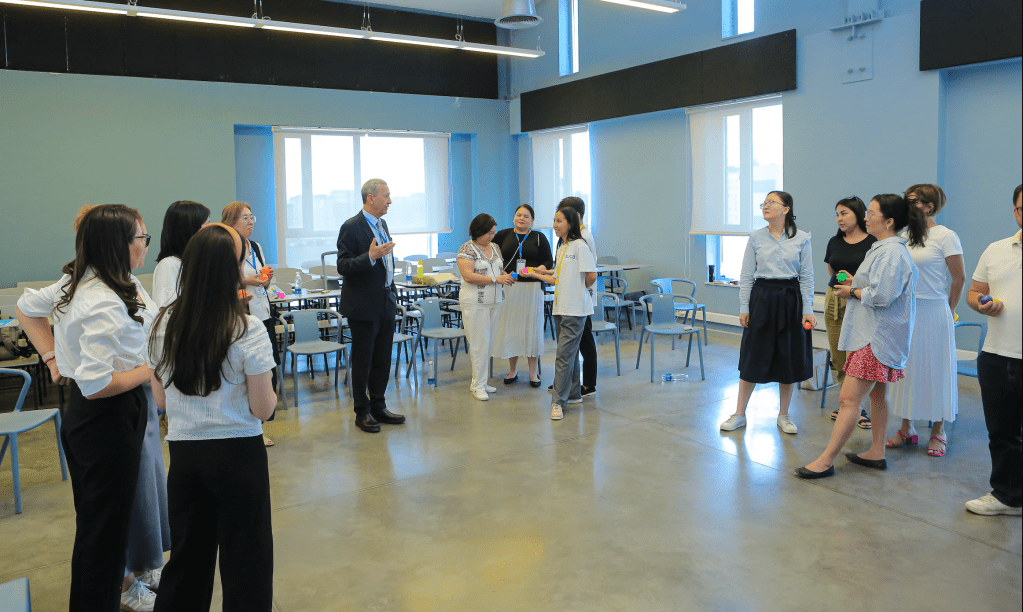
Learning environment: The session takes place in a sufficiently large room with chairs arranged in a circle. Tables are not used: they create distance and inhibit the quality of interaction that makes the learning real. Video recording is not permitted, as it affects both confidentiality and the natural dynamics of group interaction. Photography is welcome before or after the workshop.
Timeframe: 4 hours with a 15-minute break.
Optimal group size: from 12 to 30 participants.