Bargaining is not a residual skill — it is the primary arena in which negotiators are tested, positions are calibrated, and the terms of agreement take shape. Yet in much professional training, bargaining receives less attention than the analytical frameworks that surround it. This block puts bargaining at the centre: how it works, what drives its dynamics, and how to conduct it with greater strategic intelligence and practical skill.
Topics include: the logic of distributive and integrative bargaining; opening offers, anchoring, and framing; concession strategy and the management of reciprocity; power and leverage; tactics and counter-tactics; reading the bargaining process in real time.
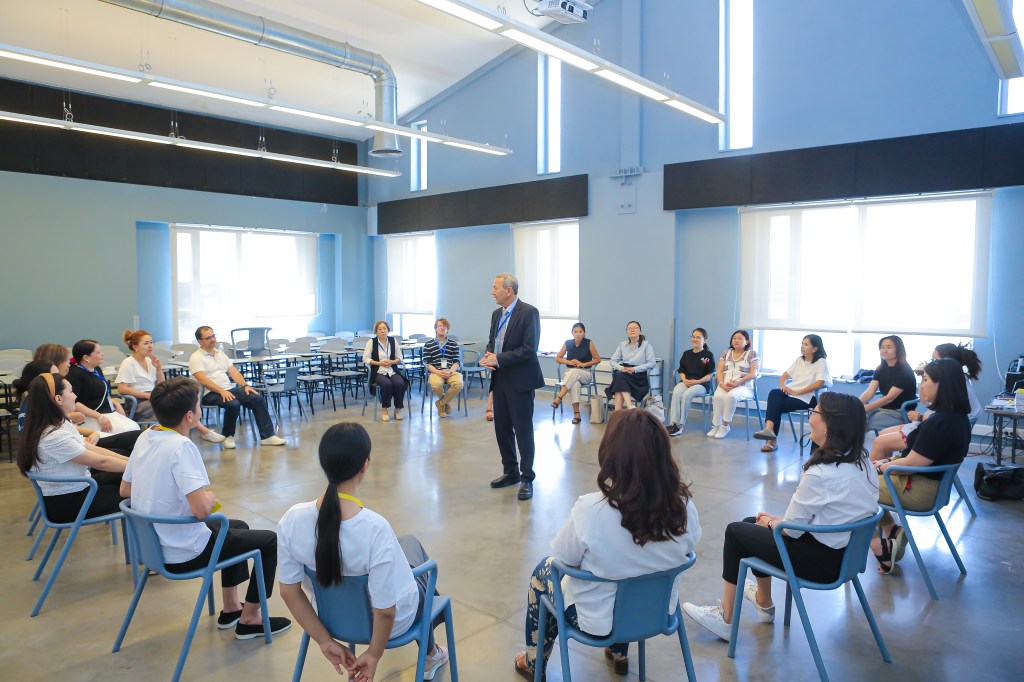
Learning environment: The session takes place in a sufficiently large room with chairs arranged in a circle. Tables are not used: they create distance and inhibit the quality of interaction that makes the learning real. Video recording is not permitted, as it affects both confidentiality and the natural dynamics of group interaction. Photography is welcome before or after the workshop.
Timeframe: 4 hours with a 15-minute break.
Optimal group size: from 12 to 30 participants.