What This Is About
Diplomacy is, at its core, a negotiating profession. Yet the specific logic of diplomatic negotiation — its institutional constraints, its reliance on formal and informal channels, its sensitivity to precedent and face — is rarely examined with the analytical rigour it deserves. This workshop addresses that gap, drawing on decades of diplomatic practice to offer participants both conceptual depth and applied skill in one of the most demanding forms of negotiation.
Who This Is For
Diplomats, foreign ministry officials, international civil servants, legal advisers working in international contexts, and senior executives whose work brings them into negotiation with government bodies, multilateral institutions, or cross-border counterparts. The workshop is designed for practitioners — people who already operate in these environments and want a more structured and reflective command of what they do.
Format and Method
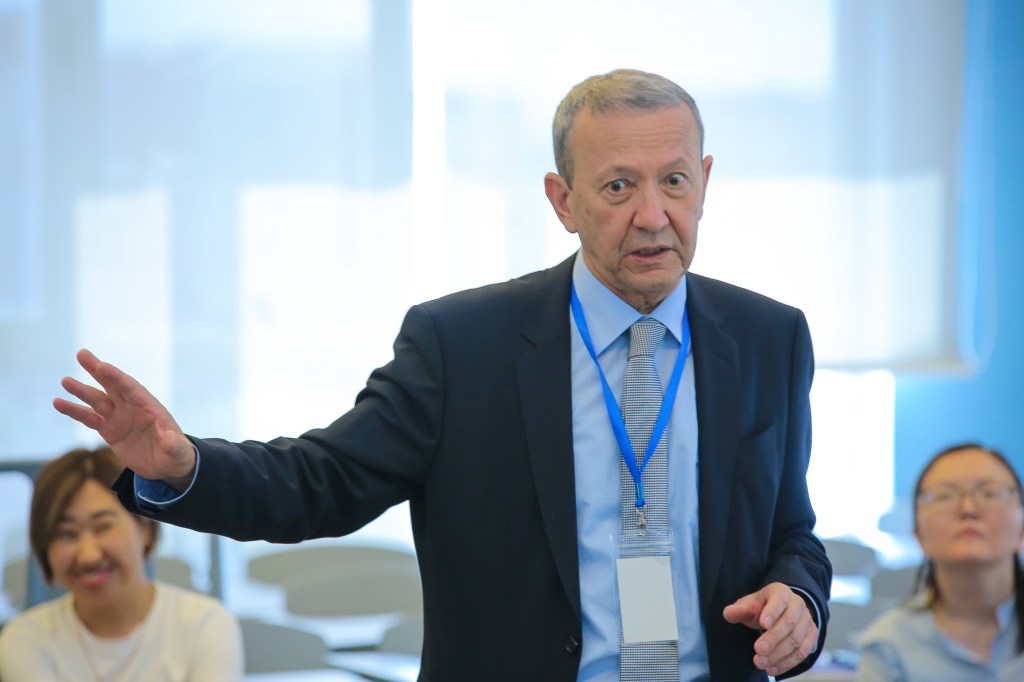
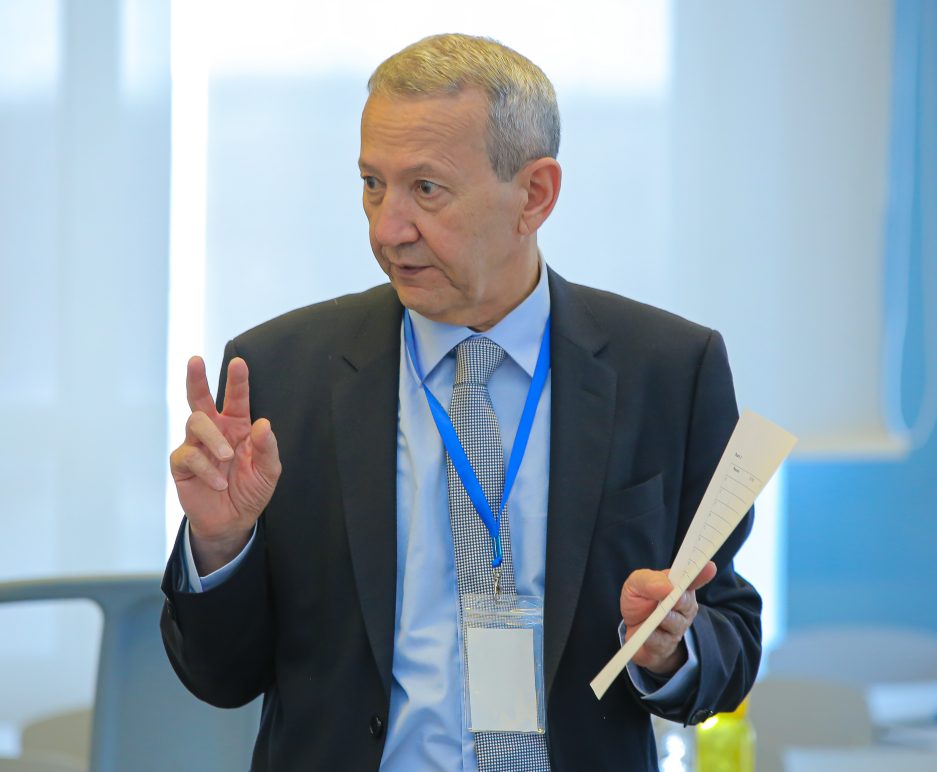
Interactive throughout, combining short conceptual inputs with role-playing exercises, group discussions, and case analyses drawn from real diplomatic practice. The half-day focuses on core frameworks and applied exercises. The full day extends into the Amber Lake Negotiation Simulation (Diplomatic Edition) — an intensive multilateral scenario in which participants negotiate the governance of a shared resource across six countries with asymmetric power, competing interests, and institutional constraints. The simulation is followed by a structured debrief grounded in the day’s conceptual framework.
Duration and Participants
Half-day: 4 hours · Full day: 7 hours (including the Amber Lake Simulation in the second half) · 12–30 participants · 15-minute breaks in the morning and afternoon sessions.
Skills Developed
Preparation and organisation of negotiations in international settings; using diplomatic means and practices as negotiation assets; managing multilateral complexity; negotiating under institutional and political constraints; maintaining positions under pressure while preserving working relationships.
What Participants Take Away
A structured approach to high-stakes diplomatic and international negotiations; a practical understanding of how diplomacy’s essential features — protocol, ambiguity, back-channels, face-saving — function as negotiation tools rather than obstacles; and the capacity to negotiate with greater composure and strategic clarity under pressure.
A Note on the Learning Environment
The session takes place in a sufficiently large room with chairs arranged in a circle. Tables are not used: they create distance and inhibit the quality of interaction that makes the learning real. Video recording is not permitted, as it affects both confidentiality and the natural dynamics of group interaction. Photography is welcome before or after the workshop.